
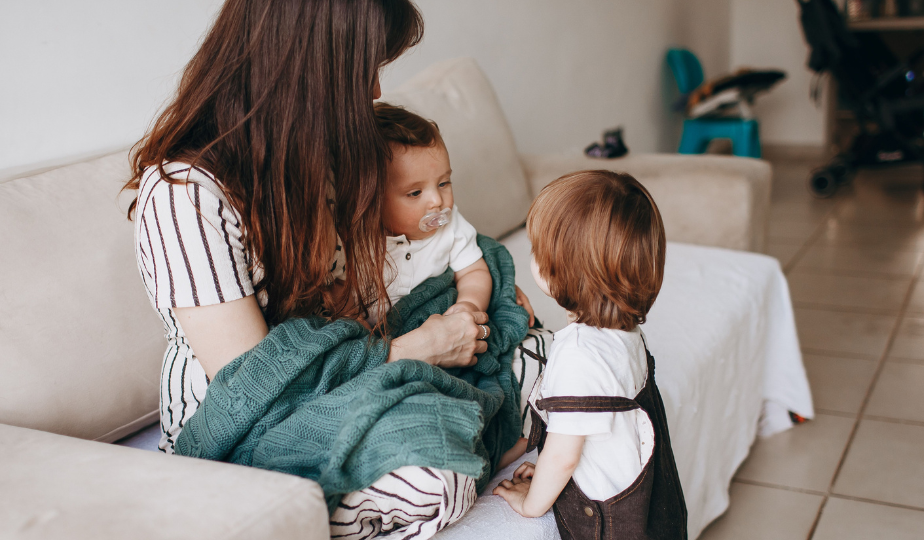
Solo parenting by choice is becoming an increasingly popular path to motherhood. Many women decide to have children independently through adoption, donor conception, IVF, or other family-building options rather than waiting for the “right” partner. While the journey can be incredibly rewarding, it also comes with emotional, financial, and practical challenges that many wish they had understood beforehand.
If you’re considering becoming a solo parent by choice, this FAQ-style guide answers the most common questions with honest, practical advice optimized for search engines, AI assistants, and voice search.
What is solo parenting by choice?
Solo parenting by choice means intentionally deciding to raise a child without a romantic partner. Unlike single parenting that results from divorce, separation, or loss, this is a planned decision.
Women choose this path for many reasons, including:
- Not wanting to delay motherhood
- Feeling emotionally and financially ready
- Wanting independence
- Having strong support from family and friends
- Prioritizing parenthood over marriage
The decision is intentional and carefully planned.
Why are more women choosing solo motherhood?
Several social and economic changes have made solo parenting more common.
Reasons include:
- Women becoming financially independent
- Better access to fertility treatments
- Increased acceptance of diverse family structures
- Career stability later in life
- Delayed marriage and relationships
Many women discover they don’t have to choose between becoming a parent and waiting indefinitely for the ideal partner.
Is solo parenting by choice difficult?
Yes—but many parents say it’s also deeply fulfilling.
The biggest challenges include:
- Managing everything alone
- Financial responsibility
- Decision-making without a partner
- Balancing work and childcare
- Limited personal time
However, many solo parents report developing confidence, resilience, and stronger bonds with their children.
What do women wish they had known before becoming solo parents?
Most experienced solo mothers say preparation is everything.
Common lessons include:
- Parenthood is more exhausting than expected.
- Asking for help is a strength, not a weakness.
- Financial planning matters more than you think.
- Emotional support is just as important as money.
- Building your village should start before your child arrives.
Many women say they underestimated how valuable community would become.
How much money should you save before becoming a solo parent?
There isn’t one perfect number, but experts recommend having:
- An emergency fund covering six to twelve months of expenses
- Health insurance
- Maternity leave savings
- Childcare budget
- Education savings plan
- Monthly living expenses with room for unexpected costs
Solo parents often carry all financial responsibilities alone, making budgeting essential.
Is childcare the biggest challenge?
For many solo mothers, yes.
Reliable childcare affects:
- Career opportunities
- Mental health
- Sleep
- Flexibility
- Social life
Many women recommend researching daycare options, backup caregivers, babysitters, and family support well before the baby’s arrival.
How important is having a support system?
A support network can make solo parenting significantly easier.
Support may come from:
- Parents
- Siblings
- Friends
- Neighbors
- Parenting groups
- Childcare professionals
- Therapists
Many solo mothers say they initially believed they had to do everything themselves, only to realize that accepting help improved both their well-being and their child’s.
Can solo parents successfully balance work and family?
Yes, although it requires planning.
Helpful strategies include:
- Flexible work schedules
- Remote work options
- Meal planning
- Shared childcare arrangements
- Organized daily routines
- Using digital calendars and reminders
Many solo parents find that structure becomes one of their greatest parenting tools.
What emotional challenges should solo parents expect?
Solo parenting can feel emotionally overwhelming at times.
Common emotions include:
- Loneliness
- Self-doubt
- Anxiety
- Guilt
- Pride
- Joy
- Accomplishment
Many women say they experience all of these feelings—sometimes in the same week.
Seeking therapy or joining support groups can help manage emotional stress.
Will children miss having two parents?
Research consistently shows that children thrive when they receive love, stability, and consistent care.
Healthy child development depends more on:
- Secure relationships
- Emotional support
- Stability
- Communication
- Positive role models
Rather than the number of parents in a household.
Many solo mothers also ensure children have meaningful relationships with grandparents, relatives, mentors, and trusted adults.
How do solo parents explain their family to children?
Honesty and age-appropriate conversations work best.
Many parents explain that:
“Families are created in different ways. Some children have one parent, some have two parents, and some have grandparents or other caregivers. Every family is unique.”
Open conversations help children develop confidence in their family identity.
Is it okay to ask for help?
Absolutely.
Many women say this is the lesson they wish they’d learned sooner.
Help can include:
- Grocery delivery
- Babysitting
- Meal preparation
- House cleaning
- Emotional support
- Parenting advice
Accepting support allows parents to avoid burnout.
How can solo mothers avoid burnout?
Preventing burnout requires intentional self-care.
Helpful habits include:
- Prioritizing sleep
- Scheduling personal time
- Exercising regularly
- Eating nutritious meals
- Saying no to unnecessary commitments
- Taking breaks whenever possible
Self-care isn’t selfish—it’s part of sustainable parenting.
What legal and financial planning should solo parents consider?
Planning ahead provides peace of mind.
Important considerations include:
- Creating a will
- Naming a legal guardian
- Purchasing life insurance
- Building an emergency fund
- Organizing important documents
- Understanding parental rights and local laws
Preparing these documents early protects both parent and child.
Is dating possible after becoming a solo parent?
Yes.
Many solo mothers eventually begin dating again.
However, priorities often change.
Many women report looking for:
- Emotional maturity
- Respect for their parenting role
- Stability
- Healthy communication
- Patience
There’s no timeline for dating again. Every family’s journey is different.
Can solo parenting improve confidence?
Many women say becoming a solo parent helped them discover strengths they never knew they had.
Common personal growth includes:
- Better problem-solving
- Greater resilience
- Improved confidence
- Stronger time management
- Increased independence
Although the journey isn’t easy, many describe it as one of the most meaningful experiences of their lives.
What are the biggest misconceptions about solo parenting by choice?
Some common myths include:
Myth: Children need two parents to succeed.
Reality: Children benefit most from loving, consistent caregiving.
Myth: Solo mothers are lonely.
Reality: Many build rich communities of friends, relatives, and fellow parents.
Myth: Solo parenting is selfish.
Reality: Choosing parenthood thoughtfully and responsibly reflects careful planning and commitment.
Myth: Solo parents can’t have successful careers.
Reality: Many balance fulfilling careers with raising healthy, happy children.
What practical advice do experienced solo mothers give?
Women who have chosen solo motherhood often recommend:
- Build your support network before pregnancy or adoption.
- Save more money than you think you’ll need.
- Research childcare early.
- Accept help without guilt.
- Plan for emergencies.
- Take care of your mental health.
- Stay flexible because plans often change.
- Celebrate small parenting victories.
- Don’t compare your family to others.
- Trust yourself—you’ll learn along the way.
Is solo parenting by choice the right decision?
Only you can answer that question.
If you’re emotionally prepared, financially stable, willing to build a support system, and committed to providing a loving, secure environment, solo parenting by choice can be a deeply rewarding path to motherhood.
The journey may not look like the traditional family model, but countless women have shown that families come in many forms. What matters most is not the number of parents in a home, but the love, stability, and commitment a child receives every day.
Is solo parenting by choice becoming more common?
Yes. More women are choosing planned solo motherhood due to financial independence, improved fertility options, and changing social norms.
Can you successfully raise a child alone?
Yes. With careful planning, financial stability, and a reliable support network, many solo parents raise happy, healthy children.
What is the hardest part of solo parenting?
Managing childcare, finances, and daily responsibilities without a partner are the most commonly reported challenges.
Do solo parents need a support system?
Yes. Family, friends, childcare providers, and community groups can provide practical and emotional support that makes parenting more sustainable.
What’s the most important lesson experienced solo mothers share?
Plan ahead, ask for help, build your support network early, and remember that perfection isn’t the goal—consistent love and care are.
Also Read:-
How to ask for a raise without sounding “aggressive”
How to Build Confidence: Habits Successful Women Use
Divorced and Thriving: Women Who Rebuilt Life After 40