
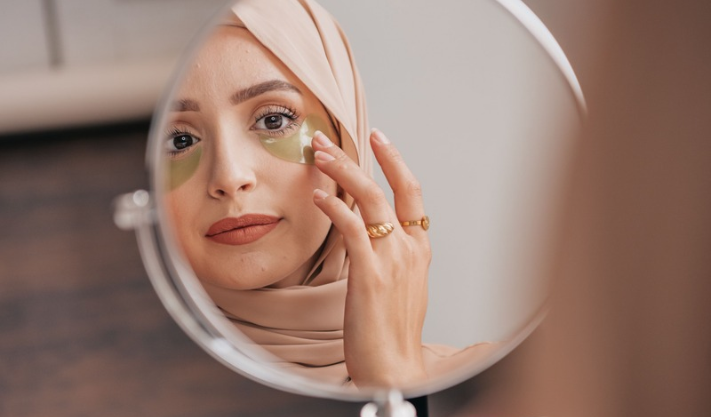
Women living in the Middle East often face unique skincare challenges, including intense sunlight, high temperatures, humidity, dry desert air, air conditioning, and exposure to dust and sand. These environmental conditions can contribute to dehydration, excess oil, clogged pores, uneven skin tone, and increased sensitivity.
The best skincare routine for women in the Middle East focuses on three essentials: gentle cleansing, consistent hydration, and daily sun protection. However, the right products and techniques depend on individual skin type, local climate, lifestyle, and specific skin concerns.
Whether you live in Dubai, Abu Dhabi, Riyadh, Doha, Kuwait City, Muscat, or another Middle Eastern city, a simple and consistent routine can help maintain healthy-looking skin throughout the year. This guide answers common skincare questions and explains how women can build practical morning and evening routines, choose suitable ingredients, and adjust their skincare habits to the region’s changing weather conditions.
1. Why Do Women Living in the Middle East Need a Special Skincare Routine?
Women in the Middle East may need to adapt their skincare routines because the region experiences a combination of strong ultraviolet (UV) radiation, heat, dust, humidity, and dry indoor environments. These factors can affect the skin in different ways.
Sun exposure contributes to premature skin ageing, pigmentation, and sunburn. Heat and humidity can increase sweating and make some skin types feel oilier, while dry weather and air conditioning can contribute to moisture loss.
The climate also varies significantly across the region. Coastal cities may experience high humidity, while inland and desert areas can be much drier. Therefore, the best skincare approach is not identical for every woman.
What Is the Most Important Skincare Rule in the Middle East?
The most important rule is to protect the skin from the sun every day while maintaining a healthy skin barrier. Use a broad-spectrum sunscreen, a gentle cleanser, and a moisturiser suited to your skin type. Avoid harsh scrubs and excessive exfoliation, particularly when the skin feels irritated or dehydrated.
2. What Is the Best Morning Skincare Routine for Women in the Middle East?
A good morning skincare routine should cleanse the skin gently, provide hydration, and protect it against sunlight. Women who spend time outdoors should pay particular attention to sunscreen application and reapplication.
A practical morning routine includes four steps.
Step 1: Cleanse Your Face Gently
Start with a gentle cleanser that removes overnight oil, sweat, and residue without leaving the skin tight or uncomfortable. Women with oily or acne-prone skin may prefer a lightweight gel cleanser. Those with dry or sensitive skin may benefit from a creamy, fragrance-free cleanser.
If your skin is very dry in the morning, rinsing with water may be sufficient. Avoid washing your face repeatedly throughout the day, as excessive cleansing can irritate the skin and weaken its protective barrier.
Step 2: Apply a Hydrating Serum
A hydrating serum can help the skin retain moisture and feel more comfortable throughout the day. Look for ingredients such as hyaluronic acid, glycerin, or panthenol.
Niacinamide is another useful option because it can support the skin barrier and help improve the appearance of uneven skin tone. A serum is optional rather than essential. If your moisturiser already provides enough hydration, you may not need an additional product.
Step 3: Use a Lightweight Moisturiser
Choose a moisturiser based on your skin type and the climate where you live. Women with oily skin may prefer lightweight lotions or gel moisturisers. Those with dry skin may benefit from richer creams containing ceramides, glycerin, or other moisture-supporting ingredients.
If you spend long hours in air-conditioned offices, cars, or shopping centres, moisturising regularly can help reduce feelings of dryness and tightness.
Step 4: Apply Broad-Spectrum Sunscreen
Sunscreen is one of the most important parts of a skincare routine in the Middle East. Choose a broad-spectrum sunscreen with SPF 30 or higher, preferably SPF 50 for extended outdoor exposure.
Apply it generously to the face, ears, neck, and other exposed areas. Follow the product’s instructions, and reapply approximately every two hours when outdoors, as well as after swimming, sweating heavily, or towel-drying.
A water-resistant sunscreen can be helpful in hot weather or during outdoor activities. Hats, sunglasses, shade, and protective clothing provide additional protection.
3. What Is the Best Night Skincare Routine for Women in the Middle East?
An effective nighttime routine removes sunscreen, makeup, sweat, and accumulated dirt while helping the skin maintain its moisture balance. Unlike a morning routine, an evening routine can include targeted treatments for acne, pigmentation, or signs of ageing when appropriate.
Step 1: Remove Sunscreen and Makeup
If you wear long-lasting makeup or water-resistant sunscreen, start with a cleansing oil, balm, or micellar water suitable for your skin. Follow with a gentle facial cleanser if needed.
This approach can help remove stubborn residue without requiring aggressive rubbing. Avoid scrubbing the skin, particularly around the eyes.
Step 2: Apply a Targeted Treatment If Needed
Choose a treatment according to your main skin concern rather than using several active ingredients at once.
For example, salicylic acid may help unclog pores in acne-prone skin. Retinoids can help address acne and certain signs of photoageing, while ingredients such as azelaic acid may help improve the appearance of acne marks and uneven pigmentation.
Introduce active ingredients gradually, follow the product instructions, and stop using a product if it causes significant irritation. Retinoids should be avoided during pregnancy unless a qualified healthcare professional specifically advises otherwise.
Step 3: Moisturise Before Bed
Finish with a moisturiser that supports the skin barrier. Ingredients such as ceramides, glycerin, and hyaluronic acid can help maintain hydration.
Women with very dry skin may prefer a richer cream, while those with oily skin can choose a lighter formula. The goal is to wake up with skin that feels comfortable rather than tight, greasy, or irritated.
4. How Should Women Choose Skincare Products for Their Skin Type?
The best skincare products are those that address your skin’s needs without causing irritation. Climate matters, but your skin type should guide your product choices.
What Is the Best Routine for Oily Skin?
Women with oily skin should use a gentle cleanser, a lightweight non-comedogenic moisturiser, and broad-spectrum sunscreen. Non-comedogenic products are formulated to reduce the likelihood of clogged pores.
Niacinamide may help improve the appearance of excess oil, while salicylic acid can be useful for clogged pores and blackheads. Start with one treatment rather than combining multiple exfoliating products immediately.
Do not skip moisturiser because your skin is oily. Dehydrated skin can still produce excess oil, and overly harsh cleansing may worsen irritation.
What Is the Best Routine for Dry Skin?
Dry skin benefits from gentle cleansing, richer moisturisers, and ingredients that support the skin barrier. Look for glycerin, ceramides, and petrolatum where appropriate.
Avoid very hot water, harsh facial scrubs, and strongly fragranced products if they cause discomfort. In desert climates, apply moisturiser regularly and consider using a humidifier indoors if the air is particularly dry.
What Is the Best Routine for Combination Skin?
Combination skin often has an oily forehead, nose, and chin, with drier areas around the cheeks. A gentle cleanser, lightweight moisturiser, and daily sunscreen provide a good starting point.
You can apply a richer moisturiser to dry areas and use a lighter product on oilier areas. There is no need to purchase separate products for every part of the face unless your skin genuinely requires them.
What Is the Best Routine for Sensitive Skin?
Sensitive skin generally benefits from a minimal routine with fragrance-free products and a limited number of active ingredients. Choose a gentle cleanser, a moisturiser designed for sensitive skin, and a suitable sunscreen.
Introduce new products one at a time and patch-test them according to the product instructions. If redness, burning, itching, or persistent irritation continues, consult a dermatologist rather than repeatedly changing products.
5. How Can Women Protect Their Skin From the Middle Eastern Sun?
Sun protection is essential throughout the year, including on days that feel cooler or cloudy. UV exposure can contribute to premature skin ageing, sunburn, and pigmentation.
Which Sunscreen Is Best for Women in the Middle East?
Choose a broad-spectrum SPF 30 or higher sunscreen that feels comfortable enough to use every day. SPF 50 is a practical option for women who spend considerable time outdoors.
The ideal formula depends on your skin type. Lightweight fluids may suit oily skin, while cream-based formulas may feel more comfortable on dry skin. Women concerned about white residue can look for tinted formulas that match their skin tone.
How Often Should Sunscreen Be Reapplied?
Reapply sunscreen approximately every two hours while outdoors and after swimming, sweating heavily, or towel-drying. Follow the label’s directions.
For additional protection, seek shade during periods of strong sunlight and wear a wide-brimmed hat and UV-protective sunglasses. Sunscreen should be part of a broader sun-protection strategy, not the only measure.
Can Sunscreen Help Prevent Dark Spots?
Yes. Regular sun protection helps prevent UV-related pigmentation from becoming darker and reduces the risk of additional sun-induced discoloration.
Visible light may also contribute to some forms of pigmentation, particularly melasma. For women with this concern, a dermatologist may recommend a tinted sunscreen containing iron oxides alongside other treatments.
6. How Can Women Manage Acne and Excess Oil in Hot Weather?
Heat, sweating, sunscreen residue, and friction can contribute to breakouts in some women. However, acne has multiple causes, including hormonal changes, genetics, and inflammation.
What Should Women Do After Sweating?
Gently cleanse the face after heavy sweating when practical. If washing immediately is not possible, blot sweat with a clean towel rather than rubbing the skin.
Change out of sweaty clothing, clean makeup brushes regularly, and avoid touching the face unnecessarily. Choose non-comedogenic skincare and makeup products if you are prone to clogged pores.
Avoid aggressive scrubbing or washing the face repeatedly. These habits can increase irritation without necessarily improving acne.
Which Ingredients Help Acne-Prone Skin?
Salicylic acid can help unclog pores, while benzoyl peroxide may help reduce acne-causing bacteria and inflammatory breakouts. Azelaic acid is another option for some people with acne and post-acne marks.
Introduce one active ingredient at a time and follow its instructions. If acne is painful, leaves scars, or does not improve with appropriate over-the-counter care, seek advice from a dermatologist.
7. How Can Women Reduce Dark Spots and Uneven Skin Tone?
Dark spots may develop after acne, sun exposure, hormonal changes, or skin irritation. Melasma, which often appears as brown or grey-brown patches, can also be influenced by hormonal factors and sunlight.
Which Skincare Ingredients Help With Pigmentation?
Ingredients that may help improve uneven skin tone include niacinamide, azelaic acid, vitamin C, and selected retinoids. The right choice depends on the type of pigmentation, skin sensitivity, and other products you use.
Consistent sunscreen use is essential because treatment results may be limited if the skin continues to receive substantial UV exposure.
How Long Does It Take to See Results?
Many pigmentation treatments require several weeks to a few months of consistent use. The exact timeline depends on the cause, the treatment, and individual skin characteristics.
Avoid using strong peels or unverified skin-lightening products without professional guidance. Irritation can make pigmentation worse, particularly in skin prone to post-inflammatory hyperpigmentation.
If patches appear suddenly, change rapidly, or do not respond to gentle skincare, consult a dermatologist for an accurate diagnosis.
8. How Does Air Conditioning Affect Skin Hydration?
Air conditioning can make indoor environments feel dry, particularly when the surrounding climate is already arid. Spending long hours in these conditions may leave the skin feeling tight or uncomfortable.
How Can Women Prevent Dry Skin Indoors?
Use a moisturiser that suits your skin and apply it after cleansing. If your skin feels dry during the day, a small amount of moisturiser may help, provided it does not irritate your skin or interfere with your sunscreen.
Drink enough water to meet your body’s needs, but remember that drinking extra water alone will not necessarily correct dry skin. Topical moisturisers and a healthy skin barrier are important for maintaining skin hydration.
If indoor air is very dry, a clean humidifier may help increase humidity. Keep it properly maintained according to the manufacturer’s instructions.
9. What Skincare Mistakes Should Women Avoid in the Middle East?
A good skincare routine is not about using the largest number of products. It is about choosing suitable products and applying them consistently.
Can Over-Exfoliation Damage the Skin?
Yes. Excessive use of exfoliating acids, facial scrubs, or strong retinoids can cause redness, peeling, burning, and skin-barrier damage.
Limit exfoliation according to your skin’s tolerance and the product instructions. Avoid combining several strong treatments without professional guidance.
Is It Necessary to Wash Your Face Several Times a Day?
No. Most women can cleanse their face once in the morning, if needed, and in the evening. After heavy sweating, a gentle additional cleanse may be useful.
Repeated washing with harsh cleansers can strip away protective oils and increase irritation.
Should Women Use the Same Skincare Products All Year?
Not necessarily. Some women benefit from lightweight moisturisers during humid months and richer creams during dry weather or prolonged air-conditioned exposure.
However, sunscreen remains important throughout the year. Make changes based on how your skin feels rather than automatically replacing your entire routine each season.
10. What Is a Simple Skincare Routine for Busy Women?
Women with demanding work schedules, family responsibilities, or frequent travel do not need complicated routines to care for their skin.
What Is the Minimum Effective Daily Routine?
A simple routine can include three essential products in the morning and two or three steps at night.
Morning: Use a gentle cleanser if needed, apply moisturiser, and finish with broad-spectrum sunscreen.
Evening: Remove sunscreen and makeup, cleanse gently, and apply moisturiser.
Add a targeted treatment only if you have a specific skin concern and can tolerate it. Consistency matters more than the number of products. A routine that takes five minutes and is followed regularly may be more useful than an elaborate routine that is difficult to maintain.
How Can Women Maintain Their Routine While Travelling?
Pack travel-sized versions of your essential products, keep sunscreen accessible, and avoid introducing several new products during a trip.
Air travel, unfamiliar climates, and changes in daily schedules may affect how your skin feels. Maintaining cleansing, moisturising, and sun protection can help reduce unnecessary disruption.
11. Are Natural Skincare Products Better for Women in the Middle East?
Not automatically. Natural ingredients can be beneficial, but they can also cause allergies or irritation. The terms “natural” and “organic” do not guarantee that a product is safer or more effective than a well-formulated conventional product.
Which Natural Ingredients Are Worth Considering?
Some products containing aloe vera, colloidal oatmeal, or certain plant-derived ingredients may help soothe or moisturise the skin, depending on the formulation.
However, applying undiluted essential oils, lemon juice, or abrasive homemade scrubs can irritate the skin. Lemon juice in particular may cause skin reactions when followed by sunlight exposure.
Choose products based on their ingredients, formulation, and your skin’s response rather than marketing claims alone.
12. When Should Women See a Dermatologist?
A dermatologist can help identify skin concerns that do not improve with basic skincare and recommend treatments suited to individual needs.
Which Skin Problems Require Professional Advice?
Seek professional advice for persistent acne, painful or spreading rashes, severe dryness, unexplained pigmentation, recurring irritation, or symptoms that continue despite changing irritating products.
A rapidly changing mole, a non-healing skin lesion, or a new lesion that bleeds without a clear reason should also be assessed promptly.
Women with melasma, rosacea, eczema, or other diagnosed skin conditions may need a personalised routine rather than general skincare recommendations.
Frequently Asked Questions About Skincare in the Middle East
What Is the Best Daily Skincare Routine for Women in the Middle East?
The best daily routine includes gentle cleansing, moisturising, and broad-spectrum sunscreen with SPF 30 or higher. At night, remove sunscreen and makeup, cleanse gently, and moisturise. Add targeted treatments only when necessary.
Should Women in the Middle East Use SPF 50 Every Day?
SPF 50 is a useful everyday choice, particularly for women exposed to strong sunlight. Broad-spectrum SPF 30 or higher is generally recommended, with regular reapplication during outdoor activities.
Is a Lightweight Moisturiser Better in Hot Weather?
A lightweight moisturiser may feel more comfortable in hot or humid conditions, especially for oily skin. Women with dry skin may still need a richer cream. Choose according to your skin’s needs rather than temperature alone.
Can Women With Oily Skin Skip Moisturiser?
No. Oily skin can still become dehydrated. A lightweight, non-comedogenic moisturiser can help maintain the skin barrier without feeling excessively greasy.
How Can Women Prevent Makeup From Melting in Hot Weather?
Start with a lightweight moisturiser and allow it to settle before applying makeup. Use a suitable sunscreen underneath, select long-wearing products if needed, and blot excess oil instead of repeatedly adding thick layers of powder.
Is Double Cleansing Necessary Every Night?
Double cleansing can be helpful when removing water-resistant sunscreen or long-wearing makeup. However, it is not essential for everyone. A single effective, gentle cleanser may be sufficient when there is little residue to remove.
What Is the Best Skincare Routine for Women During Ramadan?
Women observing Ramadan can maintain their usual routine by cleansing gently, moisturising, and applying sunscreen during daylight hours. Avoid over-exfoliating or introducing irritating treatments when the skin feels dry or sensitive. Maintain adequate hydration during non-fasting hours according to individual needs.
Can Women Use Retinol in the Middle East?
Retinol can be used by some women, but it should be introduced gradually because it may cause dryness and irritation. Use sun protection consistently, follow the product instructions, and avoid retinoids during pregnancy unless specifically advised by a qualified healthcare professional.
How Can Women Keep Their Skin Healthy in Desert Climates?
Use a gentle cleanser, a moisturiser containing barrier-supporting ingredients, and daily sunscreen. Avoid excessively hot showers, harsh exfoliation, and unnecessary washing. A humidifier may help if indoor air is particularly dry.
How Long Does It Take for a Skincare Routine to Work?
Hydration may improve within days, while acne and pigmentation treatments often require several weeks or longer. Results vary depending on the product, skin condition, and consistency of use. Stop products that cause significant irritation and seek professional advice when needed.
Conclusion: Build a Skincare Routine That Works for Your Climate and Skin
The best skincare routines for women living in the Middle East are simple, consistent, and adapted to individual skin needs. Strong sunlight, heat, humidity, desert dryness, dust, and air conditioning can all influence how the skin feels and responds to skincare products.
Start with three essentials: a gentle cleanser, a suitable moisturiser, and broad-spectrum sunscreen. Add targeted ingredients gradually if you need help managing acne, uneven skin tone, or other specific concerns.
Also Read:-
10 Digital Products Women Can Sell Online for Profit
Women Entrepreneurs: Scale Small Businesses With AI Tools
How Women Entrepreneurs Can Get Their First 10 Customers